
A Beacon of Hope, Green Sea Turtles No Longer Classified as Endangered
In a rare and inspiring victory for wildlife conservation, the International Union for Conservation of Nature (IUCN) announced in October 2025 that the green sea turtle (Chelonia mydas) has been downlisted from Endangered to Least Concern on its Red List of Threatened Species.
Kyllo
1/6/2026
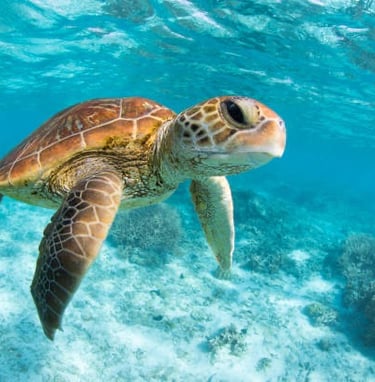
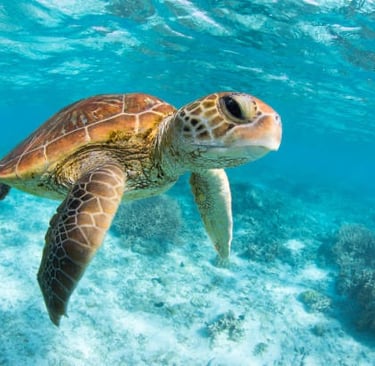
A Beacon of Hope, Green Sea Turtles No Longer Classified as Endangered
In a rare and inspiring victory for wildlife conservation, the International Union for Conservation of Nature (IUCN) announced in October 2025 that the green sea turtle (Chelonia mydas) has been downlisted from Endangered to Least Concern on its Red List of Threatened Species. This marks one of the most significant recoveries for a marine species in recent history, demonstrating that decades of dedicated global efforts can reverse the tide of extinction.
A Remarkable Comeback
Green sea turtles, the largest hard-shelled sea turtles in the world, were once hunted relentlessly for their meat (famously used in turtle soup), eggs, shells, and oil. Historical accounts describe oceans teeming with these gentle herbivores, so abundant that explorers like Christopher Columbus could hear their shells bumping against ships at night. Overexploitation in the 19th and 20th centuries decimated populations, leading to their Endangered listing in the 1980s.
Now, thanks to sustained conservation, the global population has increased by approximately 28% since the 1970s. Key successes include:
• Legal protections: Bans on hunting and trade under frameworks like CITES and national laws, including the U.S. Endangered Species Act.
• Beach and nest protection: Community-led patrols, hatchery programs, and restrictions on coastal development to safeguard nesting sites.
• Fisheries reforms: Use of Turtle Excluder Devices (TEDs) in nets to reduce bycatch, one of the biggest modern threats.
• International collaboration: Efforts by organizations like WWF, Oceanic Society, and the IUCN Marine Turtle Specialist Group.
Roderic Mast, Co-Chair of the IUCN Marine Turtle Specialist Group, called it “a powerful example of what coordinated global conservation over decades can achieve.”
The Life of a Green Sea Turtle
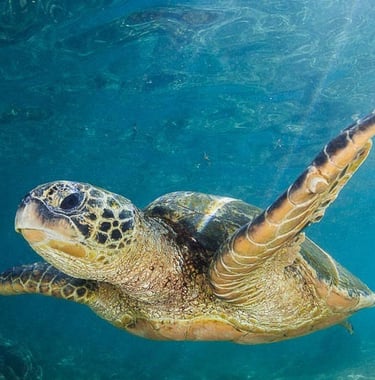
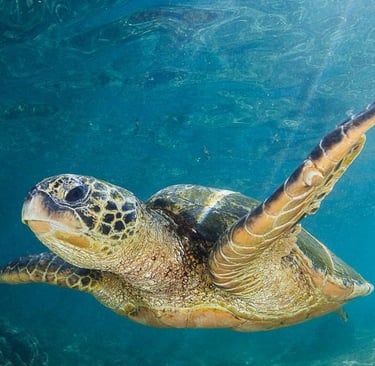
These majestic creatures inhabit tropical and subtropical waters worldwide, grazing on seagrasses and algae — earning them their “green” name from the color of their fat. Adults can reach over 3 feet in length and weigh up to 400 pounds, living as long as 90 years.
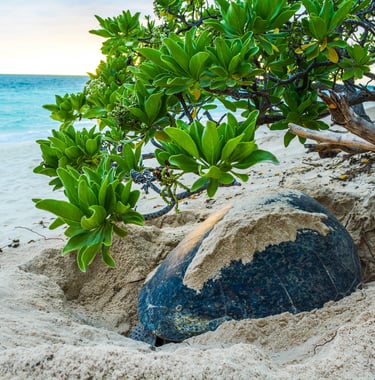
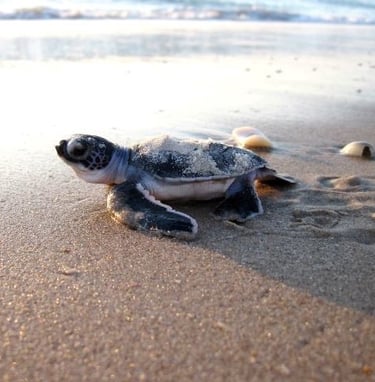
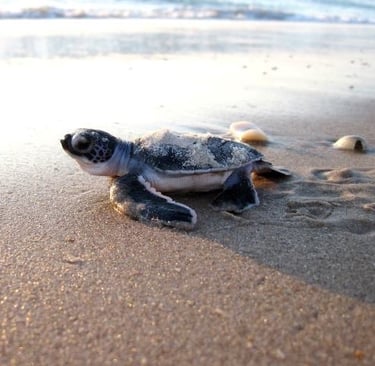
Females return to their birth beaches to nest, laying hundreds of eggs per season. Hatchlings face perilous journeys to the sea, but successful conservation has boosted survival rates in many areas.
Challenges Remain
While the global status is now Least Concern, experts emphasize that the turtles are not fully out of danger. Populations remain far below historical levels, and some regional subpopulations are still threatened or critically endangered (e.g., in the Mediterranean or certain Pacific areas).
Ongoing threats include:
• Climate change (warmer sands producing skewed sex ratios, rising seas flooding nests)
• Plastic pollution and marine debris
• Illegal poaching and egg harvesting in some regions
• Bycatch and habitat loss
Conservationists warn that without continued vigilance, gains could be reversed.
A Model for the Future
The green sea turtle’s recovery offers profound hope amid widespread biodiversity loss. It proves that human action — from policy changes to grassroots initiatives — can restore balance to ecosystems. As other sea turtle species (like hawksbills and leatherbacks) remain critically endangered, this success story inspires renewed commitment to ocean protection.
In the words of one IUCN expert: “When we do the right things, conservation works.” The graceful green sea turtle, gliding once more through healthier seas, is living proof.
News
Stay updated with the latest news headlines daily.
© 2024. All rights reserved.