
Australia’s Response to the Bondi Beach Terror Attack, Strengthening Hate Speech and Gun Laws Amid Debate
The horrific mass shooting unfolded at a Hanukkah celebration on Sydney’s iconic Bondi Beach, claiming the lives of at least 15 people and injuring dozens more in what authorities have described as Australia’s deadliest terrorist attack.
Kylo B
12/21/2025
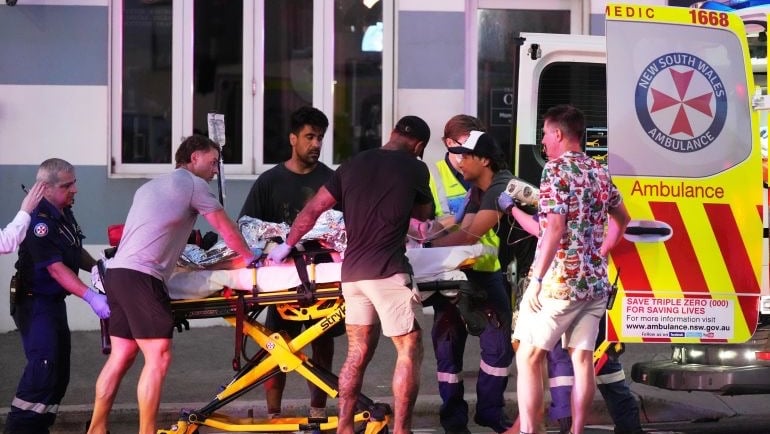
On December 14, 2025, a horrific mass shooting unfolded at a Hanukkah celebration on Sydney’s iconic Bondi Beach, claiming the lives of at least 15 people and injuring dozens more in what authorities have described as Australia’s deadliest terrorist attack. The assailant, a 22-year-old man of Palestinian descent, opened fire on the crowd before being killed by police, with investigations pointing to inspiration from Islamic State ideology and antisemitic motives. This tragedy has reignited national discussions on security, extremism, and civil liberties, prompting the Australian government to announce sweeping reforms to hate speech laws and gun control measures.
In the immediate aftermath, Prime Minister Anthony Albanese vowed a robust crackdown, emphasizing the need to address “preachers of hate” and the spread of extremism. The proposed changes include new federal offenses for hate speech, targeting “dehumanizing” rhetoric that incites hatred based on race, religion, or other protected attributes. These laws would extend to religious preachers and online platforms, with powers to cancel or refuse visas for individuals promoting division. Additionally, the government plans to ban symbols and chants associated with extremism, such as “intifada” calls, and prohibit the display of certain flags linked to terrorist groups.
On gun control, Albanese announced a national gun buyback program and further restrictions, building on Australia’s already stringent post-Port Arthur massacre laws from 1996. This includes reviewing how firearms are accessed, amid revelations that the Bondi shooter used an illegally obtained weapon. A review of migration laws and intelligence sharing has also been initiated, following criticisms that warning signs may have been missed.
Supporters of these measures, including Jewish community leaders and human rights groups, argue they are essential in light of a surge in antisemitic incidents since the October 7, 2023, Hamas attack on Israel and the ensuing Gaza conflict. They contend that unchecked hate speech fosters radicalization and violence, pointing to the Bondi attack as a direct consequence of rising anti-Jewish sentiment. “We cannot allow hatred to fester in our society,” Albanese stated during a press conference, highlighting the need for proactive steps to protect vulnerable groups. Proponents also emphasize that these laws align with international standards, such as those in the UK and Canada, where similar restrictions have been implemented without fully eroding free expression.
Concerns from Critics on Free Speech & Effectiveness
However, the proposals have drawn sharp criticism from free speech advocates, conservative commentators, and some security experts, who warn that broadening hate speech definitions could stifle legitimate discourse and be weaponized against political opponents. Groups like the Free Speech Union of Australia argue that existing laws on incitement to violence are sufficient, and new measures risk subjective enforcement that prioritizes certain viewpoints over others. “Hate speech is often in the eye of the beholder,” noted one critic, suggesting that terms like “dehumanizing” could be applied unevenly, potentially silencing criticism of government policies or religious practices.
Critics further contend that the hate speech crackdown fails to tackle root causes, such as intelligence failures, lax migration vetting, or the online radicalization pipelines that enabled the attacker’s ideology. Israeli Prime Minister Benjamin Netanyahu publicly rebuked Albanese’s government for not doing enough to curb antisemitism beforehand, linking the incident to broader policy shortcomings. On social media platforms like X (formerly Twitter), users have expressed fears that the laws could disproportionately target conservative voices or those opposing immigration, with some labeling the response as an opportunistic power grab. One post highlighted concerns that restricting speech might hinder the detection of threats by driving extremist views underground.
Regarding gun control, skeptics point out Australia’s low gun violence rates under current laws and question the efficacy of further buybacks, arguing that the focus should be on border security and illegal firearms trafficking rather than burdening law-abiding citizens. Fringe perspectives, including conspiracy theories alleging the attack was a “false flag” to justify curbs on freedoms, have also circulated online, though these remain unsubstantiated and marginal.
Broader Context & Public Reaction
The Bondi attack occurs against a backdrop of heightened tensions, with Australia experiencing a spike in antisemitic acts, including synagogue attacks, since late 2023. Public sentiment is divided: memorials for victims have seen emotional outpourings, but Albanese faced boos at one event, reflecting frustration over perceived government inaction prior to the tragedy. State-level responses, such as New South Wales’ plans for additional bans, underscore a multi-tiered approach, but debates in parliament reveal a shift in the free speech landscape, with some noting that the attack has “flipped the script” on previous hesitations.
As legislation progresses, stakeholders from all sides call for balanced implementation. Supporters urge swift action to prevent future atrocities, while opponents advocate for safeguards to preserve democratic principles. The coming months will test whether these reforms enhance safety or inadvertently deepen societal divides.
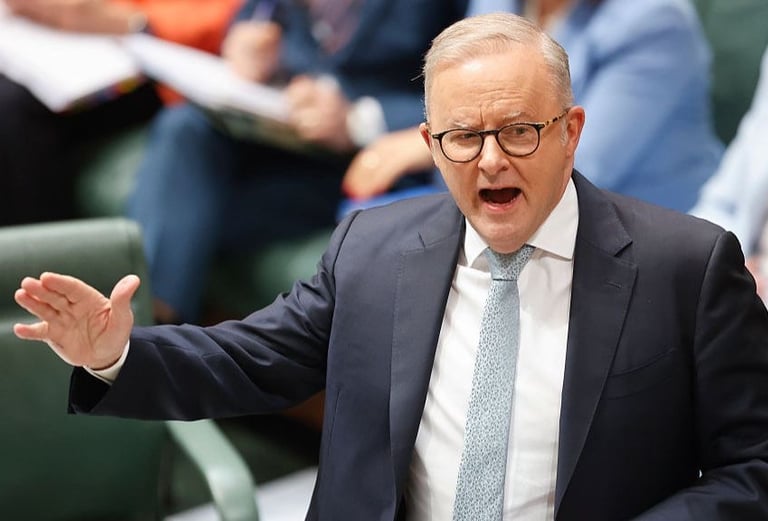
Their Proposed Reforms
News
Stay updated with the latest news headlines daily.
© 2024. All rights reserved.